Introduction
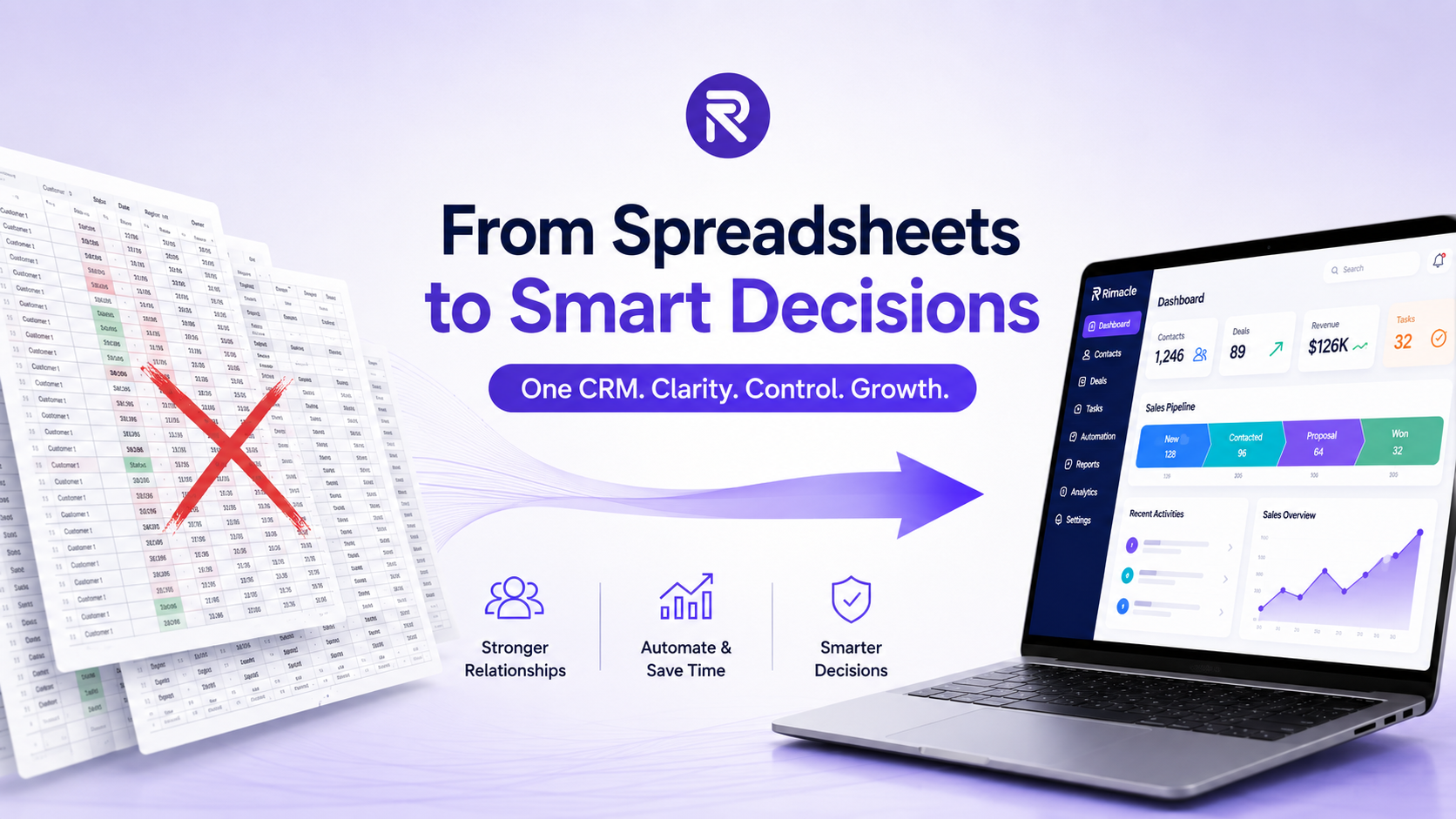
Scaling a startup is exciting, but it also comes with challenges. As customer inquiries increase, sales processes become more complex and teams grow, managing everything manually can slow down progress. Many startups rely on spreadsheets, emails and disconnected tools during their early stages, but these methods often become inefficient as the business expands.
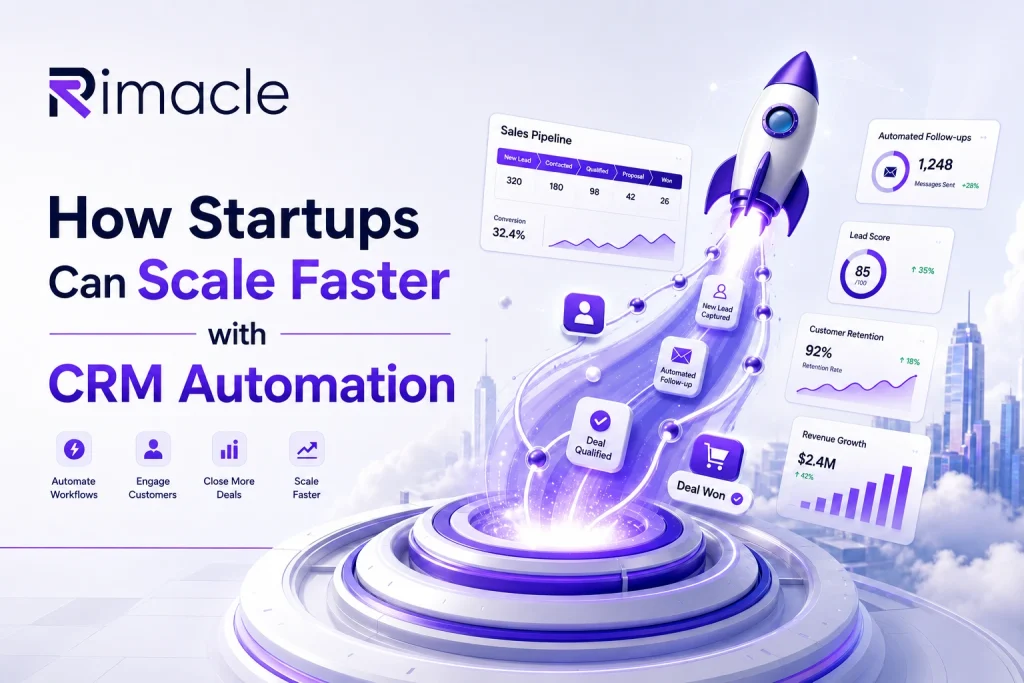
This is where CRM (Customer Relationship Management) automation becomes a game-changer. By automating repetitive tasks, streamlining workflows and providing real-time insights, CRM automation helps startups operate more efficiently, improve customer experiences and accelerate growth.
In this blog, we’ll explore how CRM automation helps startups scale faster and why it’s becoming an essential tool for modern businesses.
What Is CRM Automation?
CRM automation refers to the use of software to automate routine customer relationship and sales management tasks. Instead of manually tracking leads, sending follow-up emails, updating customer records or generating reports, a CRM system handles these activities automatically.
CRM automation typically includes:
- Lead capture and management
- Automated follow-up emails
- Sales pipeline tracking
- Task assignment and reminders
- Customer communication management
- Reporting and analytics
- Workflow automation
By reducing manual effort, startups can focus more on growth-oriented activities.
Challenges Startups Face While Scaling
Before understanding the benefits of CRM automation, it’s important to recognize the common obstacles startups encounter:
1. Managing Increasing Lead Volumes
As marketing efforts succeed, the number of incoming leads grows rapidly. Tracking them manually can lead to missed opportunities.
2. Inconsistent Follow-Ups
Potential customers often require multiple touchpoints before making a purchase. Without automation, follow-ups can be delayed or forgotten.
3. Data Scattered Across Multiple Platforms
Customer information stored in spreadsheets, emails and messaging apps makes it difficult to maintain a complete customer view.
4. Limited Team Resources
Startups usually operate with lean teams. Employees often handle multiple responsibilities, making efficiency critical.
5. Lack of Performance Visibility
Without centralized reporting, founders may struggle to monitor sales performance, customer engagement and business growth.
How CRM Automation Helps Startups Scale Faster
1. Automates Lead Capture and Qualification
A CRM automatically captures leads from websites, landing pages, social media campaigns and contact forms. Instead of manually entering data, leads are instantly stored and organized.
Benefits include:
- Faster response times
- Reduced manual data entry
- Improved lead tracking
- Better lead qualification
This ensures no valuable lead slips through the cracks.
2. Streamlines Sales Processes
CRM automation helps startups build structured sales pipelines where leads move through different stages automatically.
For example:
- New Lead
- Contacted
- Qualified
- Proposal Sent
- Negotiation
- Closed Won
Automated workflows help sales teams know exactly where each prospect stands, reducing confusion and improving conversion rates.
3. Improves Follow-Up Consistency
Research consistently shows that timely follow-ups significantly improve conversion rates.
CRM automation enables businesses to:
- Schedule follow-up emails
- Set reminders for sales calls
- Trigger automated messages based on customer actions
- Nurture leads through email sequences
As a result, startups can maintain consistent communication without increasing workload.
4. Enhances Customer Experience
Customers expect personalized and timely interactions.
A CRM stores detailed customer information, including:
- Contact details
- Purchase history
- Communication records
- Preferences
- Support requests
With this information readily available, teams can deliver more personalized experiences that strengthen customer relationships and increase retention.
5. Saves Valuable Time
One of the biggest advantages of CRM automation is time savings.
Tasks that normally consume hours can be automated, such as:
- Data entry
- Email scheduling
- Appointment reminders
- Task assignments
- Report generation
This allows startup teams to focus on strategic activities like business development, innovation, and customer engagement.
6. Improves Team Collaboration
As startups grow, collaboration becomes increasingly important.
CRM platforms create a centralized workspace where sales, marketing, customer support and management teams can access the same customer information.
Benefits include:
- Better communication
- Reduced information silos
- Faster decision-making
- Improved customer service
Everyone stays aligned around shared business goals.
7. Provides Real-Time Business Insights
CRM dashboards and reports offer valuable visibility into business performance.
Founders can monitor:
- Lead conversion rates
- Sales performance
- Revenue forecasts
- Customer acquisition costs
- Team productivity
Data-driven insights help startups make informed decisions and identify growth opportunities faster.
8. Supports Scalable Growth
Manual processes may work when handling a few customers, but they become unsustainable as businesses expand.
CRM automation creates scalable systems that support growth without requiring proportional increases in staff or resources.
Whether you’re managing 100 customers or 10,000, automated workflows ensure operational efficiency remains intact.
Key CRM Automation Features Every Startup Should Look For
When selecting a CRM solution, startups should prioritize features such as:
Lead Management
Capture, organize, and track leads efficiently.
Workflow Automation
Automate repetitive tasks and business processes.
Email Integration
Manage customer communication directly from the CRM.
Sales Pipeline Management
Track opportunities and sales progress visually.
Reporting and Analytics
Gain insights into business performance.
Task and Activity Tracking
Ensure important actions are never missed.
Mobile Accessibility
Enable teams to stay productive from anywhere.
Integration Capabilities
Connect with marketing, accounting, and support tools.
Best Practices for Implementing CRM Automation
To maximize results:
Start with Clear Objectives
Define what you want to achieve, such as increasing conversions or improving customer retention.
Automate High-Impact Tasks First
Focus on repetitive processes that consume significant time.
Keep Data Clean and Organized
Accurate data improves automation effectiveness.
Train Your Team
Ensure employees understand how to use the CRM effectively.
Continuously Optimize Workflows
Review performance regularly and refine automation processes as your business evolves.
Why Startups Should Invest in CRM Automation Early
Many startups wait until operations become overwhelming before implementing CRM software. However, adopting CRM automation early provides several advantages:
- Stronger customer relationships
- Faster sales cycles
- Improved operational efficiency
- Better decision-making
- Reduced administrative workload
- Greater scalability
The earlier a startup builds efficient systems, the easier it becomes to sustain long-term growth.
Conclusion
Scaling a startup requires more than acquiring new customers—it requires building efficient processes that can support growth. CRM automation helps startups eliminate manual work, improve customer experiences, streamline sales operations and gain valuable business insights.
By implementing CRM automation early, startups can increase productivity, improve team collaboration and create a solid foundation for sustainable growth. As competition continues to rise, businesses that leverage automation will be better positioned to scale faster and achieve long-term success.